
If you’re not checking in with your strongest performers, you’re making an expensive mistake.
Not because they’re incompetent, but because they’re capable enough to charge ahead without guidance—and nobody’s checking to make sure you’re still aligned.
I learned this the hard way years ago. I had a boss who gave me direction in meetings, and I’d walk away having no clue what she actually wanted. But I was terrified of looking incompetent. Terrified of wasting her time with questions.
So I’d charge ahead on my own. Build the thing. Create the plan. Hope I got it right.
Then I’d present my work and watch her face of confusion. It wasn’t what she wanted at all.
I had been too afraid to check in. She never thought to check on me.
Eventually I learned to pause mid-project: “Here’s my first pass—is this the direction you had in mind?” Those check-ins weren’t wasting her time. They were saving it.
And she learned too. Started reaching out: “How’s that project going? Any questions on direction?” Those leader-initiated check-ins made it safe for me to ask questions without feeling like I was bothering her.
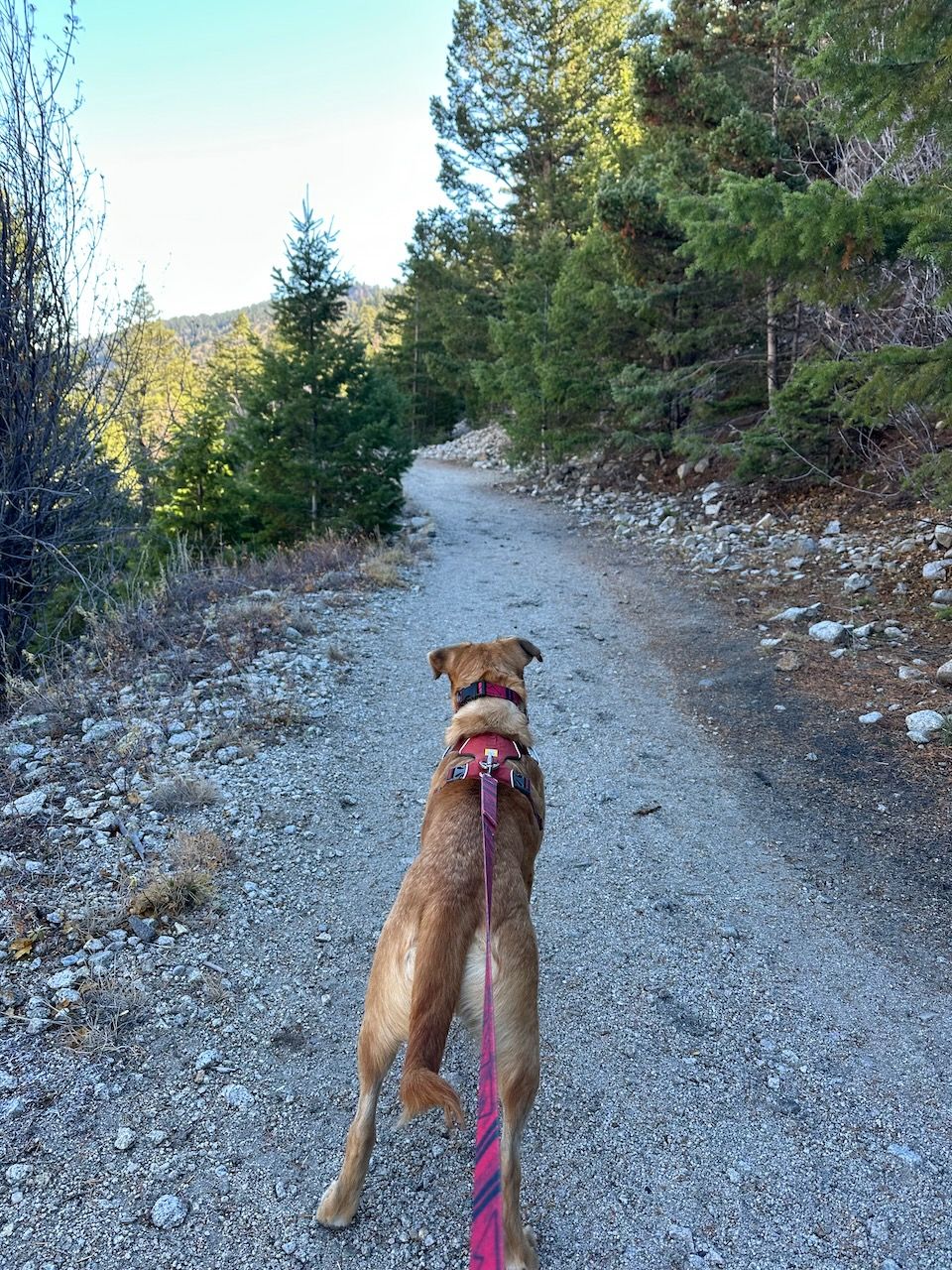
I was reminded of this recently while training Evie, our new dog, on the trail. She walks ahead of us— she can’t walk right beside me on the narrow trail, so she scouts ahead. We’re teaching her to check in: turn around, look back at us, get a treat.
When things are calm, she does it naturally. But add high stimulation—other dogs, wildlife sounds, new smells—and she forgets. That’s when we have to call her name to prompt the check-in.
Your strongest performers are the same way.
Leaders assume their strongest people don’t need check-ins. “They’re senior. They know what they’re doing.”
Meanwhile, those strong performers don’t want to “bother” their busy leader. They’d rather figure it out alone than risk looking needy.
So nobody checks in. And by the time you realize you’re misaligned? You’ve burned time, resources, and often trust.
Both sides own this responsibility.
If you’re the leader:
- Remember you’re a people leader, not just an executive.
- Your “open door” isn’t enough—power dynamics are real.
- Initiate check-ins proactively, especially during high-stakes work.
- Make check-ins normal, not remedial.
If you’re the strong performer:
- Checking in isn’t weakness—it’s strategic alignment.
- Brief alignment beats expensive course-correction.
- If they act bothered by check-ins, that’s their leadership failure.
Just like Evie needs prompts to look back during high stimulation, your best people need check-ins most when the work gets intense.
Who’s initiating check-ins on your team?
Because if everyone’s assuming someone else will do it, you’re already too far down different trails.
More about me and 110 West Group HERE.







Recent Comments