
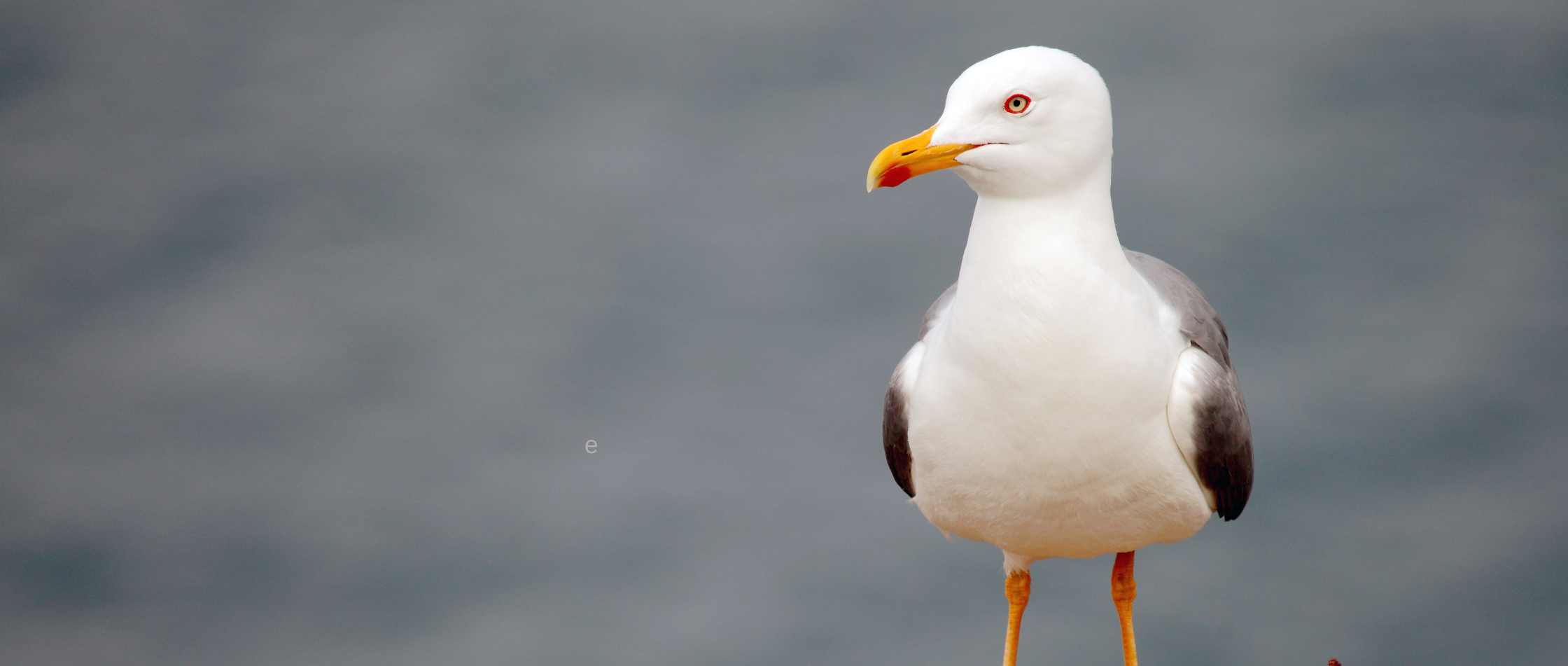
Don’t be a seagull leader. Because do you know what seagulls do?
Seagulls swoop down, sh*t on everyone’s ideas, and soar away.
🌶️ It’s a Spicy Friday post! 🌶️
When I’m working with leaders to develop their skills at leading their teams, we consider how they delegate and promote autonomy, but then also how they intervene and give feedback.
And I give them the advice to don’t be a seagull.
They laugh, because everyone has worked for a seagull. I certainly have.
I spent over a month with my team building a strategic talent strategy. My leader’s leader was notoriously unavailable—she made a point of her “elevated” status and lack of access.
When I finally got a meeting with her, I came prepared, and my manager joined for support.
This oh-so-important leader gave me 15 minutes, crapped all over the entire strategy, and then dismissed me.
There was nothing I could do but go back to the drawing board, frustrated at how much time had been wasted.
She did it again some months later, when I’d put together a new onboarding strategy. I got input from all of the stakeholders, but again I couldn’t get an “audience” with the queen.
My manager presented it to her and she sh*t all over it again.
I vividly remember tossing my headset against the cube wall when my manager told me, and my resume went out that day.
(To be clear and fair, my manager was treated the same way regularly, and did her best to protect me from this seagull until she couldn’t.)
That’s the hard-splatting seagull, the one that does a lot of damage over a wide area.
There’s another type of seagull, too: the passive one.
I know an executive who stays silent during strategy discussions. Doesn’t engage, doesn’t contribute, just sits there. Then when it’s time to move forward, he quietly drops: “I’m not sure about this…”
No solutions. No alternatives. Just doubt. And then he retreats again.
These passive seagulls leave soft droppings of excrement, but it’s foul (fowl? see what I did there?) all the same.
With either type of seagull, the team is stuck. They can’t move forward and they can’t get clarity on what would actually work.
Both types of seagulls slow progress, demoralize teams, and contribute nothing of value.
Strong leaders show up consistenly, engage in the work, and if they have concerns, they roll up their sleeves and help solve the problem.
Seagulls just leave a mess and fly away.
Don’t be the seagull.
Follow me on LinkedIn!








Recent Comments