
How do you handle behavior that’s quietly poisoning your leadership team?
Take a lesson from the forest.
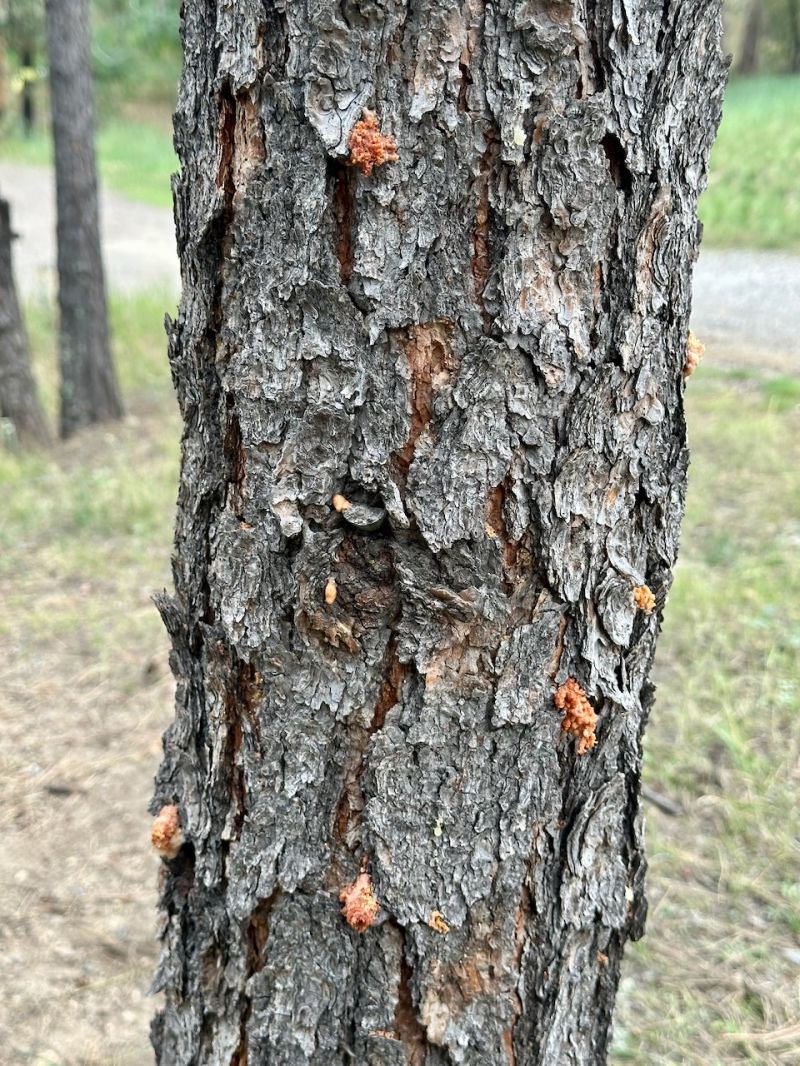
We’re taking down three trees soon, and it’ll be expensive and messy. But we have to because they’re infected with pine beetles.
We’d protected our trees by spraying them, but our neighbor had an infested tree that got cut down at the wrong time of year. The beetles flew. And three of our trees weakened from previous damage became their new home.

Now we have a choice: spend the money to remove the trees or risk losing more in the future.
It’s not a choice at all.
Leaders face this same scenario constantly, just with people instead of trees.
You’ve built a strong team, invested in culture, created alignment. And then toxic behavior shows up. Maybe it’s a leader who undermines decisions, speaks with condescension, or acts like Machiavelli.
Often that toxicity didn’t start with you. It flew in from somewhere else—a previous company culture, unaddressed trauma, learned behaviors that worked elsewhere.
It starts small, like tiny sap holes in the bark and the arrival of a few beetles.
And just like those pine beetles, toxic behavior doesn’t stay contained. It spreads. The high performer goes quiet. The collaborative leader shuts down. Trust erodes. Your strongest people start looking around, wondering if this is still the team they signed up for.
Here’s what I’ve learned both from trees and teams: the cost of removal always feels high until you compare it to the cost of inaction.
Taking down these trees hurts. It’s expensive, disruptive, and honestly feels unfair since we did everything we were supposed to do.
But losing more of our forest? That would hurt exponentially more.
The same is true for your leadership team. Addressing toxic behavior is hard. The conversations are uncomfortable. The person might have valuable skills or relationships that feel too important to risk. The disruption feels significant.
But the cost of letting it spread—losing your best people, watching trust collapse, spending years trying to rebuild what gets destroyed in months—that cost is devastating.
The healthiest teams I work with act quickly when something threatens the whole.
They don’t wait to see if it gets better. They don’t hope the problem resolves itself. They make the hard call to protect what they’ve built.
Sometimes that means coaching and clear expectations. Sometimes it means a different role. And sometimes, it means removal.
Your job as a leader isn’t to save every tree. It’s to protect the forest.
What’s the cost of waiting to address the behavior that’s already spreading through your team?
(Those “growths” on the tree? They’re sap tubes, a sign of pine beetles that popped up in days.)
Looking to increase the cohesion, trust, and impact of your leadership team? Reach out and let’s discuss The Compass Team Experience and how I can help.


Recent Comments